April 2025 · 3 people · 10 days
Gobelins, Grimoires et gros Bobos
Goblins, four spells each and an arena to settle their differences. A multiplayer prototype built by three people in ten days.
- My role
- Development · Combat and multiplayer
- Format
- PC · Online PvP arena
- Project status
- Prototype
- Technologies
01The project
Ten days to get goblins online.
With Gwendal André and Adrien Patte, we made a multiplayer arena where everyone plays a goblin mage. Each character has four spells, including an auto-attack. Then it is a matter of hitting the others before they do the same to you.
We had ten days for this assignment. I worked on sessions, magical combat and interfaces, including all the connections needed between menus, networking and the game itself.
How you play
- 01
Create or join
Enter a configured session.
- 02
Fight
Use the goblin’s four spells.
- 03
Read the fight
Watch opponents and their attacks.
- 04
Follow the result
Check the combat information.
02My work
From menus to spells.
I handled multiplayer sessions, magical combat and the interfaces. Everything had to work together, from creating a game to casting the first spell.
Configurable multiplayer sessions
I developed session creation and joining, with a name, ID and password. This is how players get together before entering the arena.
Magical combat
I developed the magical combat system. Characters have four spells, and their attacks are replicated so other players can see them in the game.
The interfaces
I created the interfaces and connected them to the game systems: session menus, the spell bar, health and combat counters. The goal was to keep the displayed information in sync with what was happening in the game.
03Under the hood
Between joining a game and casting the first spell.
We used C++ and Blueprints, with Steam services for multiplayer. Replication lets players see the same characters and attacks on their different machines.
From menu to match
Take a closer lookSet up the game.
The name, ID and password are used to configure the game.
Join the arena.
A player can join an online session, including a game that has already started.
Share characters and attacks.
Replication makes the other goblins and their attacks visible in the game.
Make combat readable.
The spell bar, health, kills and deaths give the player the information they need during combat.
Here is how the systems connect, from the menu to the arena.
Some development choices
Connect the menus and the game
The player needs to create a game, join it and fight without a break between those steps.
I connected the interfaces to sessions and combat systems, including the information displayed during the match.
Keep it within ten days
The three of us needed to bring our parts of the game together quickly.
We chose an arena and four spells per character. That gave us a clear shared goal to focus development on.
04In pictures
The project on screen.
3 imagesClick to enlarge ↗
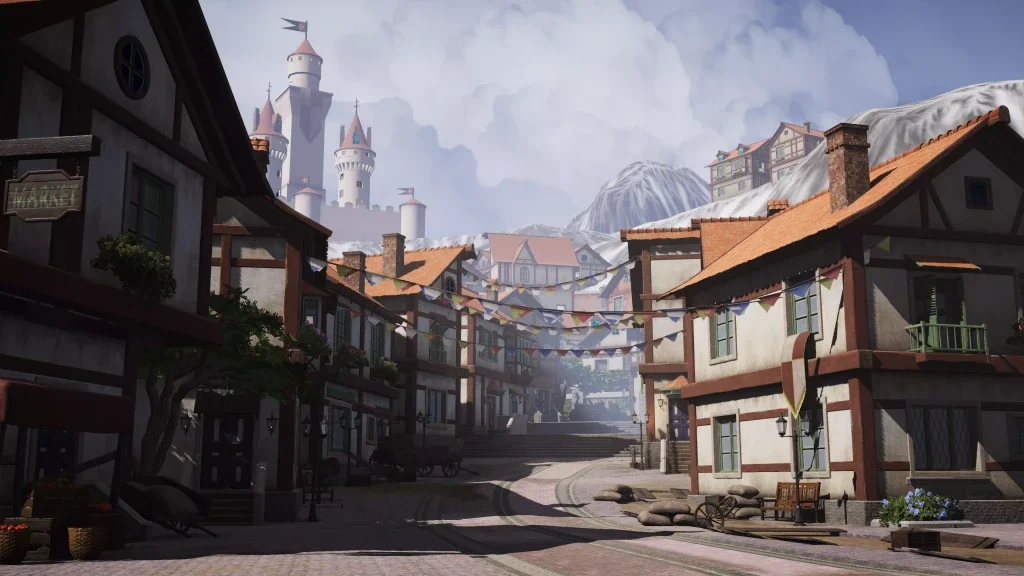
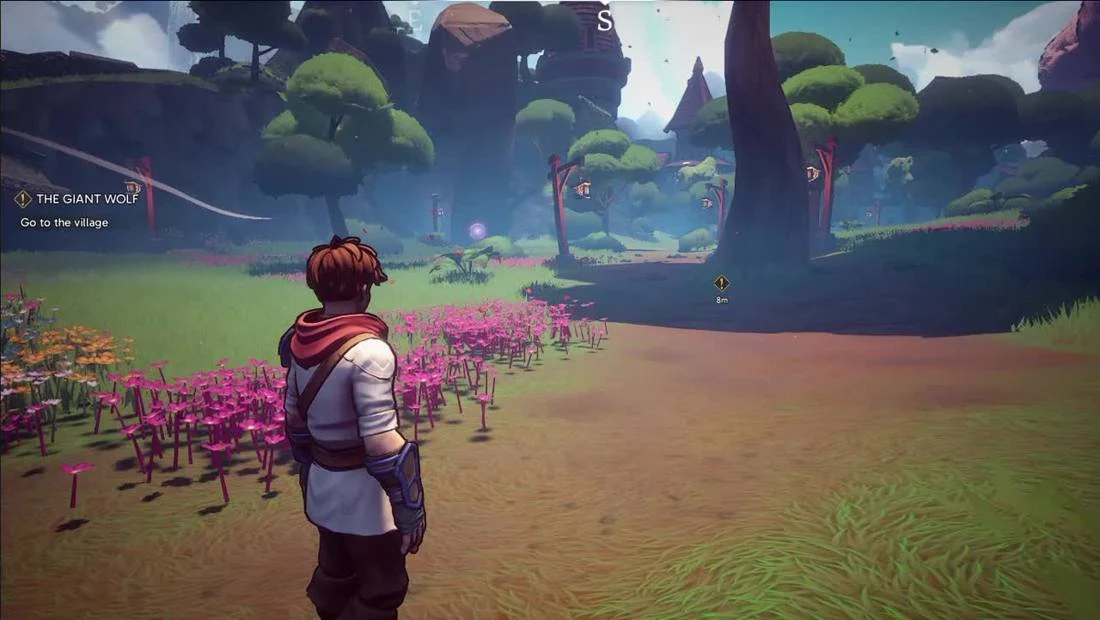
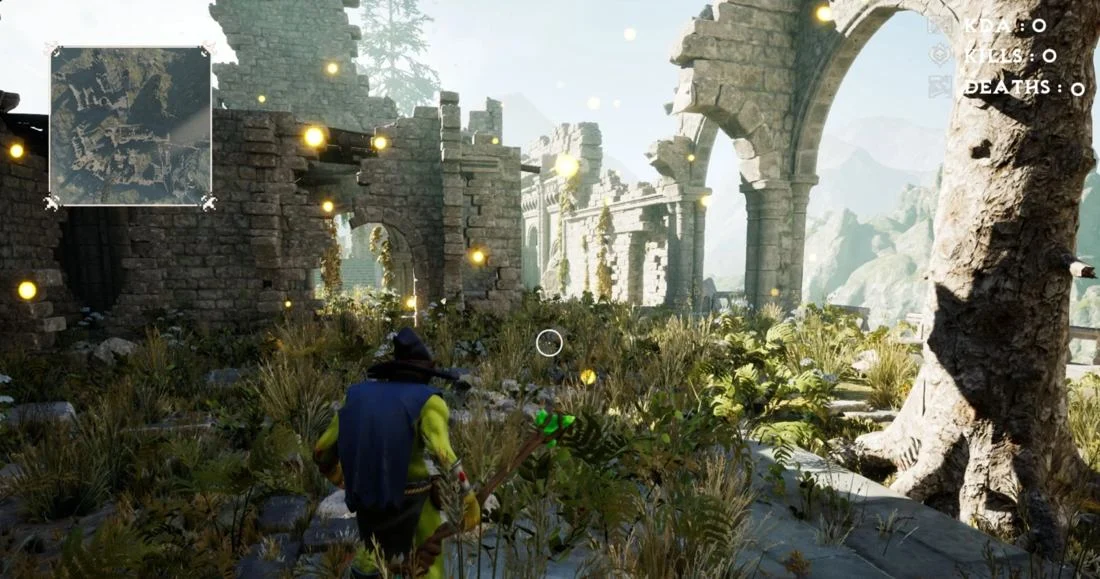
The starting menu, the arena and a fight with the other goblins.
The arena
Ruins and vegetation form the space where the goblins fight.
1
Combat within reach
The four slots match the goblin’s spells. I worked on magical combat and the connection between the interface and the code.
2
A shared arena
Replication brings the other characters and their attacks into the same game.
Combat and HUD
Several characters, four spell slots, health and match counters.
Getting started
The main menu provides actions to create or join a session.
05Outcome and team
A prototype connecting networking, gameplay and interfaces.
I connected the session menus to combat. Players create their game, join the others and find their spells ready when they enter the arena.
What is in place
- Configurable sessions and online joining.
- Magical combat system.
- Interfaces created and connected to gameplay.
Where the project stands
- The project was made in ten days as a student assignment.
- The version shown here is a prototype.
A spell can work perfectly locally and raise different questions online. You also need to check what the other players see.
The team
- Léo Queiros Da Silva
- Sessions, magical combat and interfaces
- Gwendal André
- Co-development
- Adrien Patte
- Co-development
Want to talk about this project?
Let’s talkFrom one world to the next